

Gambling tax: a total fiasco for the government
In Belgium, a tax reform that was supposed to generate tens of millions of euros has still yielded nothing. Two years after it was announced, the gambling tax remains ineffective.
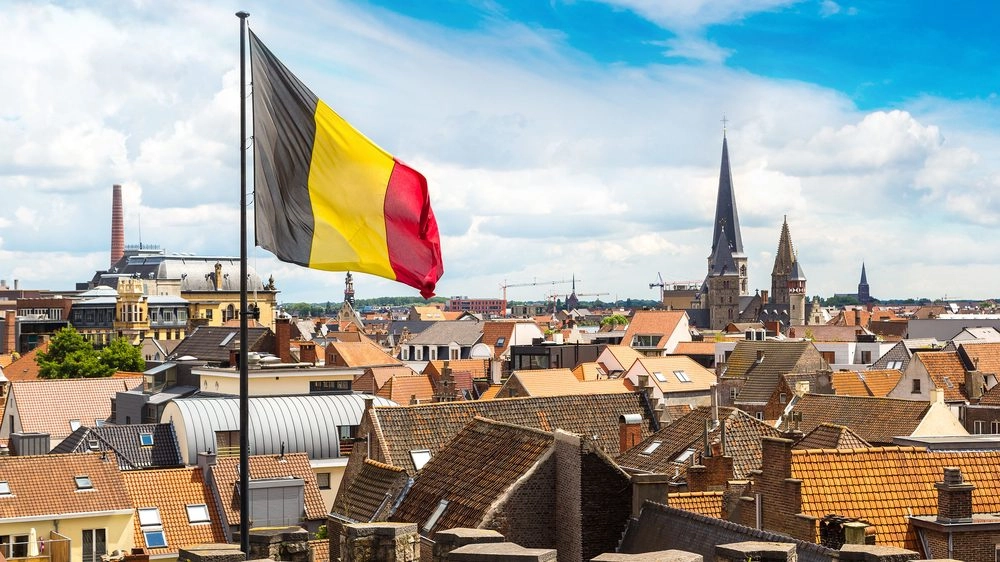
In Brussels, the licence for the famous Viage gaming and entertainment complex is now the subject of a public tender.
Malta is firmly opposed to a proposed European tax on online gambling. This initiative could upset the balance of a sector that is strategic for several Member States, particularly for the Mediterranean island, which has made it one of the pillars of its economy.
The BAGO association, which represents the main legal gambling operators, champions its vision of a fully-fledged industry at the crossroads of economic, social and political issues.
An extreme hike in the Dutch gambling tax is costing the treasury millions and driving players en masse to the black market. Gaming1 CEO Emmanuel Mewissen is now issuing a stark warning to Belgian politicians against a similar disaster scenario.
The sports betting model is under pressure. For years, bookmakers determined the rules, the odds and ultimately the profits. Now, an alternative is emerging that is turning the game upside down: prediction markets. Instead of placing a traditional bet, players purchase a contract that rises or falls in value depending on what happens.
A bill initiated by the N-VA aims to substantially change the tax treatment of land-based casinos in Belgium.
Anyone offering gambling in Belgium is entering a tightly regulated sector. Much attention goes to licences and inspections by the Gaming Commission. But at least as important is the tax side of things. Gaming and betting taxes are not an afterthought.
The picture is worrying. In Scandinavia, the illegal online gambling market is growing despite strict regulation. Belgian figures show a similar trend.
It sounds like a growth story. But behind the figures lies a shadow side. A subsidiary of the French lottery operator FDJ obtained a license on the Comorian island of Anjouan, a place long known as a haven for controversial online casinos.
The unease is palpable. In the Netherlands, trusted gaming brands are disappearing into the hands of unknown gambling companies. Belgium is watching closely but seems to remain out of the line of fire for the time being.
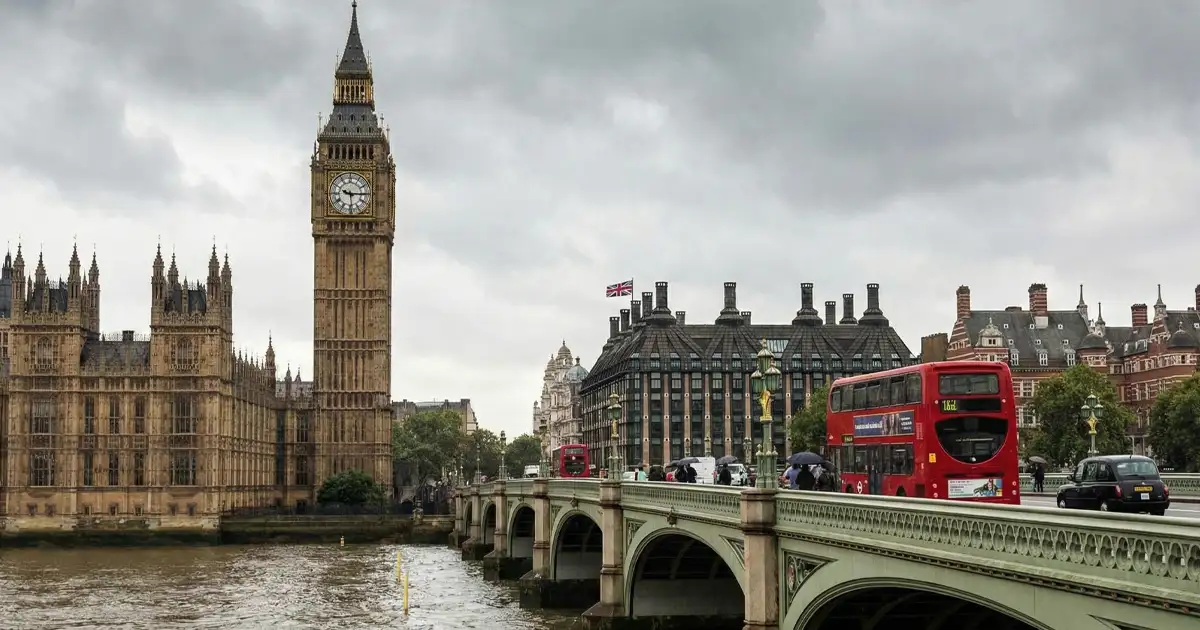
The UK is at a turning point for its online gambling industry. A proposed rise in licence fees, coupled with increased taxation and tighter regulation, raises a worrying question: is the UK’s legal gambling market losing its competitiveness?
Amid a significant global rise in suspicious sports betting, Belgium is conspicuously absent from the new annual report by the International Betting Integrity Association (IBIA).
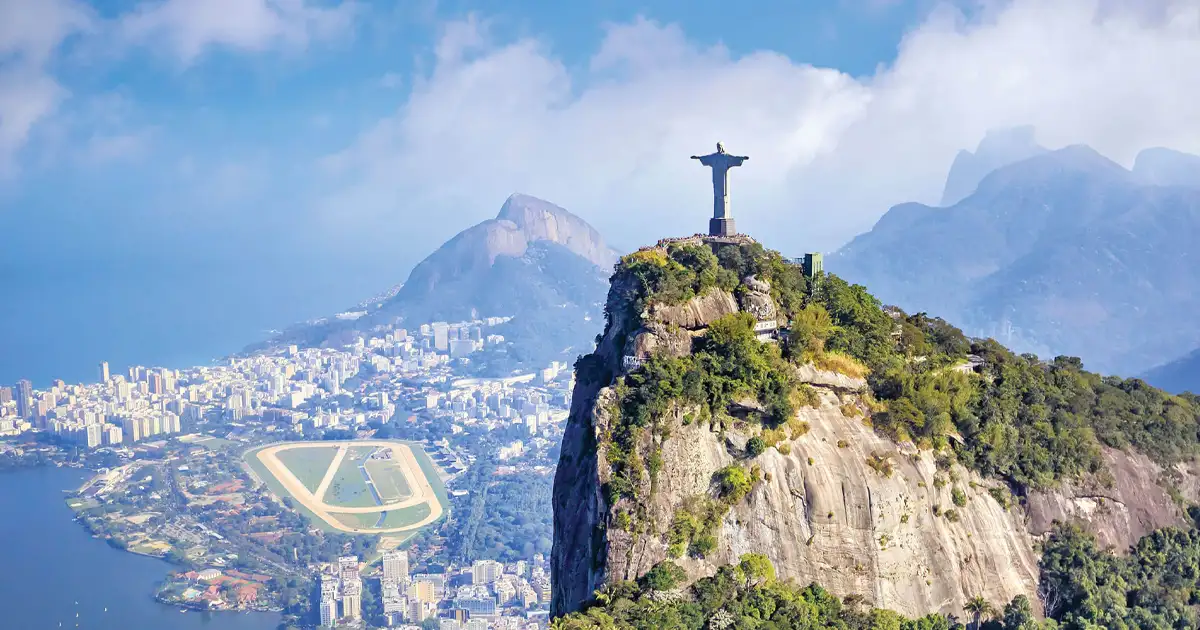
Brazil’s regulated online betting market expanded rapidly in 2025, its first full year of operation after the legal framework came into force on 1ᵉʳ January. According to official data from the Secretariat of Prices and Betting (SPA), licensed operators generated nearly BRL 37 billion in gross gaming revenue, while the state collected around BRL 10 billion in tax revenue.
The Brussels Region is preparing to launch an exceptional call for tenders for a concession for the Grand Casino de Bruxelles, estimated at €750 million, designed to redefine the operation of the country’s main casino.