

Belgium: the N-VA wants to reduce casino tax
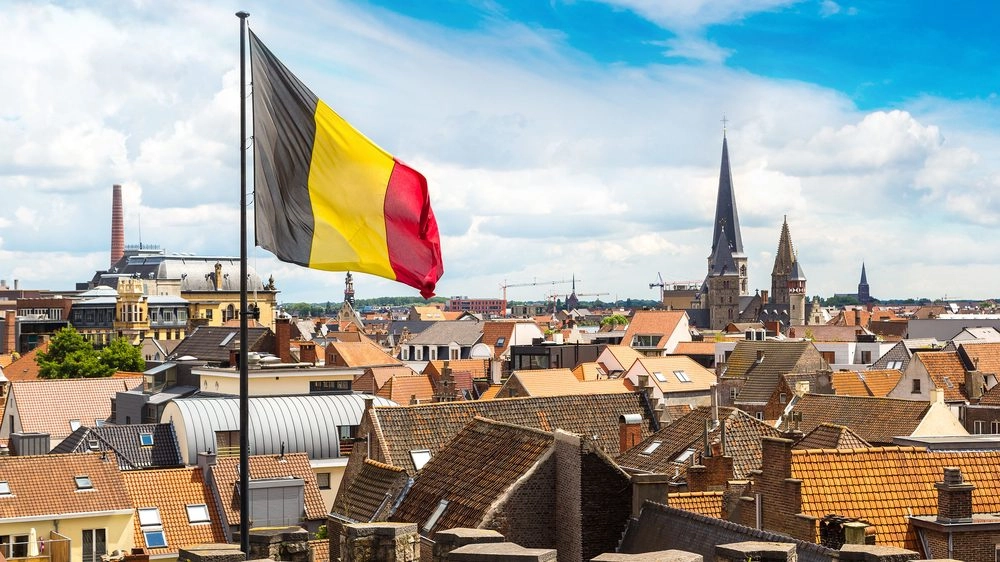
A bill initiated by the N-VA aims to substantially change the tax treatment of land-based casinos in Belgium.
No more influencers in gambling advertisements. The Kansspelautoriteit is taking a hard line today and forcing providers to stop collaborations. While the Netherlands is tightening the rules, a fierce battle has been raging in Belgium for some time between sports clubs, gambling companies and regulators.
The National Lottery’s Heritage Tombola is now officially open for applications. The aim of this initiative is to finance the conservation and restoration of movable heritage objects in Belgium, with up to €150,000 per region available for selected projects. Institutions have until midday on 1 April to submit their applications.
A recent British study, carried out during the 2022 World Cup in Qatar, found that sports betting adverts broadcast on television not only seemed to encourage more people to place bets, but also increased the frequency of live betting.
Is it a good idea to play crypto casinos using a VPN in Belgium? Absolutely not, it’s against the law and what’s more, you run the risk of never seeing your crypto-currency again. Our editorial board takes a look at this vast deception for you.
Prediction market platforms are expanding rapidly. But in France, these sites are not authorised to offer their services. The French National Gaming Authority (ANJ) is warning that illegal operators are exposing players to significant risks.
In an interview with EGR Global, Jean-Christophe Choffray, head of product vision at Belgian group Gaming1, outlines their strategy for the years ahead.
Anyone offering gambling in Belgium is entering a tightly regulated sector. Much attention goes to licences and inspections by the Gaming Commission. But at least as important is the tax side of things. Gaming and betting taxes are not an afterthought.
Since February 2026 in France, an experimental framework has been overseeing games based on monetisable digital objects (JONUM), a fast-growing sector at the crossroads of online gaming, blockchain and virtual economies.
In the Netherlands, Polymarket is now under fire. But Belgium was earlier. Since 30 January 2025, the platform is officially listed as an illegal gambling site here.
The picture is worrying. In Scandinavia, the illegal online gambling market is growing despite strict regulation. Belgian figures show a similar trend.
A regulatory investigation by the MGA has revealed shortcomings in the systems designed to protect vulnerable gamblers. Behind the technological promises, reality still reveals shortcomings.
It sounds like a growth story. But behind the figures lies a shadow side. A subsidiary of the French lottery operator FDJ obtained a license on the Comorian island of Anjouan, a place long known as a haven for controversial online casinos.
The announcement of Stake’s arrival on the Danish market was presented by certain specialized media as a major breakthrough in one of Europe’s strictest regulatory environments. However, a careful reading of the available facts suggests that this story needs to be qualified.
The European online gambling market is experiencing an explosion in illegal supply. Public authorities are now looking for a new strategy: no longer going after sites one by one, but attacking the ecosystem that enables them to exist.
Faced with the rapid expansion of online gambling, the issue of player protection has become a central public policy concern. In Belgium, BAGO’s operators defend a model based on the duty of care.
It’s a tough rap. The Kansspelautoriteit of the Netherlands is intervening and imposing a penalty payment on Polymarket of up to €840,000. The gambling watchdog wants the platform to stop offering betting in the Netherlands with immediate effect.