




A 19 per cent increase in voluntary self-exclusions
 •
20 Sep 2026 •
Reading time: 2 minutes
•
20 Sep 2026 •
Reading time: 2 minutes
In Belgium, more than 10,000 additional people applied for voluntary self-exclusion from gambling in 2025. According to the annual report of the Gaming Commission, the number of people affected rose by 19 per cent in one year.
Nearly 67,000 Belgians have voluntarily excluded themselves
The use of voluntary exclusion from gambling rose significantly in Belgium in 2025. As at 31 December, 66,998 people were listed in the EPIS system at their own request, compared with 56,458 at the end of 2024.
This represents a 19 per cent increase in one year.
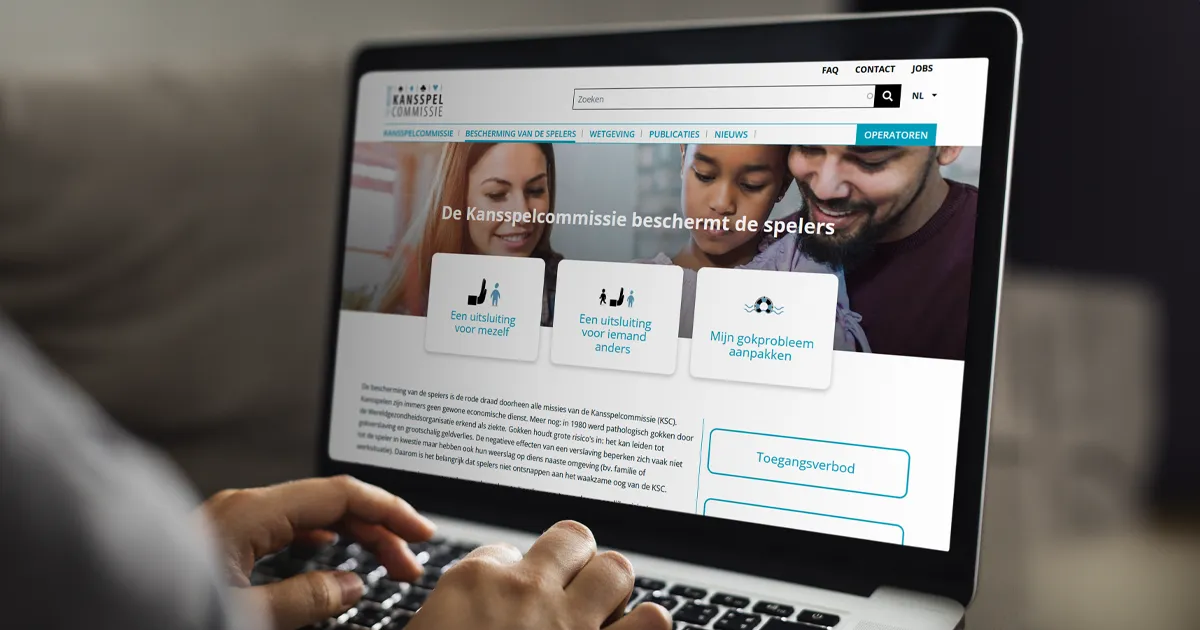
People facing gambling-related problems can ask the Gaming Commission to ban them from accessing the relevant establishments and services. Once the request has been registered, they can no longer enter casinos or gaming halls, nor access online gambling platforms.
In 2025, the majority of requests for voluntary exclusion were submitted via the Itsme identification app.
Men and those aged 21–39 are the most represented
Among those excluded at their own request, 46,059 were men, compared with 14,908 women and 6,031 non-binary people.
The most represented age group is 21 to 39 years old.
Over 715,000 access attempts blocked
Registration with the EPIS system is having a tangible impact. In 2025, 715,373 attempts to access gambling were blocked, both online and in physical establishments, because the individuals concerned were on the exclusion list.
The vast majority of these blocks related to online gambling: 690,074 attempts to access gambling were prevented.
Checks also led to around 15,000 refusals of entry to gaming halls, nearly 7,300 at betting shops and 2,665 at casinos.
Not all exclusions are voluntary
Exclusions requested by the players themselves account for only a proportion of those registered in EPIS.
According to the Gaming Commission’s report, over 35 per cent of all exclusions were made at the request of the person concerned. In some cases, the request may also be made by an administrator or by a concerned third party acting on behalf of a relative.
Other exclusions are automatic and may result, for example, from a collective debt settlement, membership of certain professional categories, or a court order.
More requests to be allowed to gamble again
The rise in voluntary exclusions has also been accompanied by an increase in requests to have them lifted.
In 2025, the Gaming Commission processed 5,519 applications to lift a voluntary exclusion, compared with 5,326 in 2024.
A gambler may apply at any time to have their voluntary exclusion lifted. However, they cannot return immediately: the lifting of the ban only takes effect three months after the application is made.