

2026 World Cup: France fears betting explosion
In the run-up to the 2026 FIFA World Cup, France is concerned about a phenomenon that is well known at major international competitions: the rise of sports betting and, above all, its promotion.
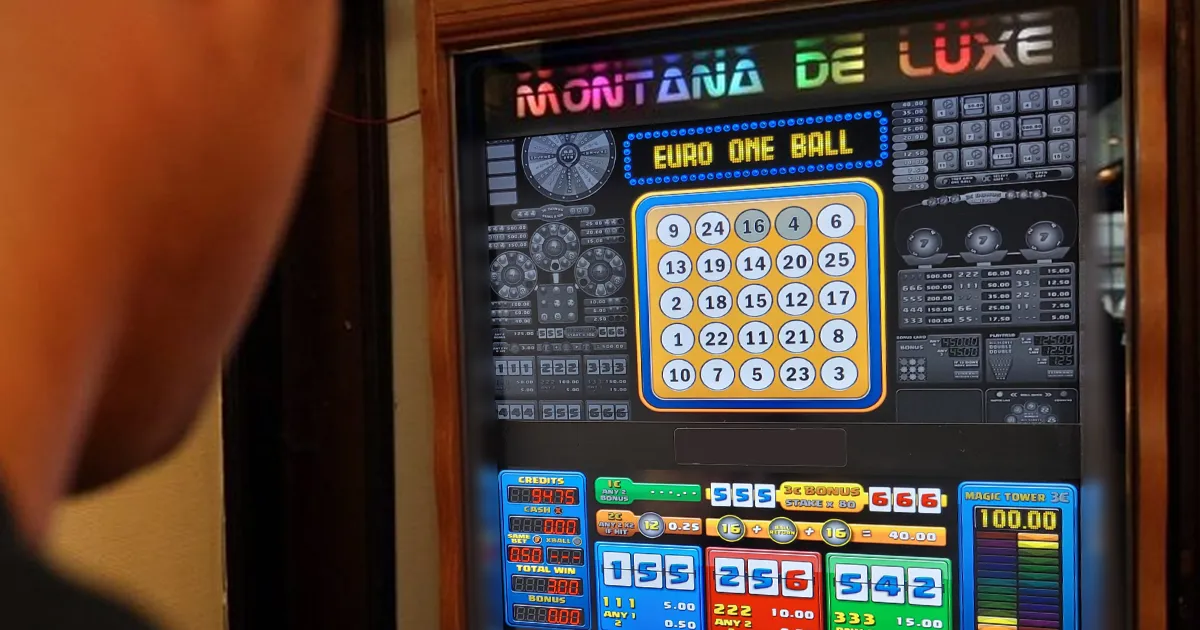
In Brussels, a dispute has been raging for several years between gambling operators over a regional tax applied to bingo machines. Recently rekindled by a court ruling, the case highlights suspicions of non-payment, controls deemed insufficient and a loss of revenue estimated at several million euros for public finances.
In Belgium, players who have wagered on unlicensed online casinos can now take their case to court. This legal development marks a turning point in the fight against illegal operators and strengthens consumer protection against unauthorised platforms.
In the heart of Manhattan, two prediction market platforms have transformed grocery aisles into an unprecedented marketing battleground. Kalshi had already offered free shopping baskets, but Polymarket decided to go one step further by opening what it describes as New York’s first free supermarket.
In an unprecedented case, a top French athlete has been sanctioned for placing a sports bet on a competition in her sport.
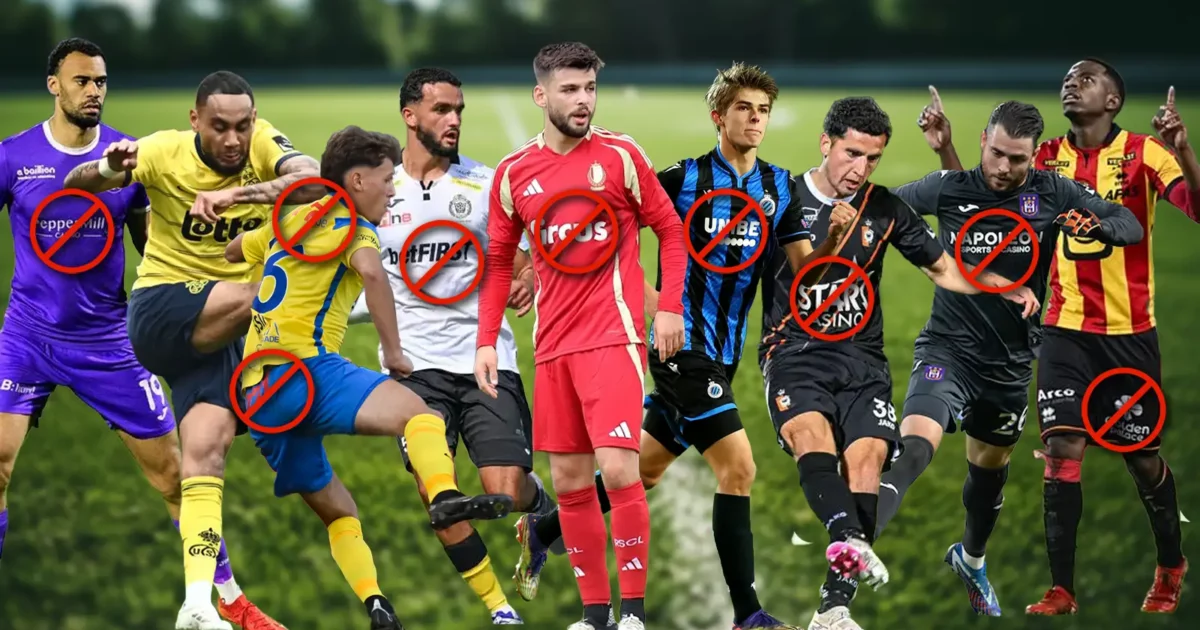
Belgian professional football has always been driven by sponsorship deals. While the government is tightening the rules on gambling-related advertising, the links between clubs and industry players remain surprisingly strong.
The Irish professional football landscape is tackling the growing problem of gambling among its players. The League of Ireland, the country’s main competition, has just unveiled an ambitious and pioneering programme to train players, staff and officials to avoid the pitfalls of compulsive gambling.
In the United Kingdom, a new report reveals that illegal sports streams are no longer just violating copyright; they are also becoming a launch pad for unauthorised gambling advertisements.
The President of Finland has officially ratified the new gambling law, sealing the end of the state monopoly. From 1 July 2027, the market will be opened up to competition for online casinos and sports betting.
The logo is disappearing from the shirt, but the money remains. Premier League clubs are still working with gambling companies that have no license. And the British government is letting it happen.
In the Netherlands, gambling is a growing part of everyday life, but the mechanisms involved, the risks and the means of prevention are often poorly understood. That’s why OpenOverGokken.nl has launched new educational content to explain gambling in simple language, accessible to everyone, without minimising the risks or dramatising the practices.
The National Gaming Authority (ANJ) has analysed and approved operators’ promotional strategies for 2026. It has imposed new constraints to limit the increase in advertising budgets and reduce the risks associated with overexposure of players.
Since January 1, Nederlandse Loterij has rolled out a new graphic identity for six of its lottery brands, including the famous Staatsloterij and Lotto. This standardization aims to strengthen the link between the games and the parent company, ahead of a historic year of celebrations for the group.
The Pope recently spoke out on an issue that goes beyond the purely religious sphere: the dramatic increase in gambling in Italy and its impact on families and communities. His words resonate as a social warning at a time when the economic and human consequences of gambling are attracting the attention of local authorities.
It started as an experiment. Now, over 27,000 unique slot machines have already been created. And all by ordinary players. SlotGPT is completely overturning the rules of online gambling.
Gambling addiction no longer affects only adults of a certain age, but is becoming widespread among young people. As online gambling becomes commonplace, technology makes it accessible at any time, and its promotion expands, the consequences are being felt even in specialised care services.
With the new cooperation protocol between the Gaming Commission and DNS Belgium, a strong signal is being sent to providers of illegal gambling sites. Those who promote illegal games of chance with a .be domain can now expect faster detection and immediate consequences.