




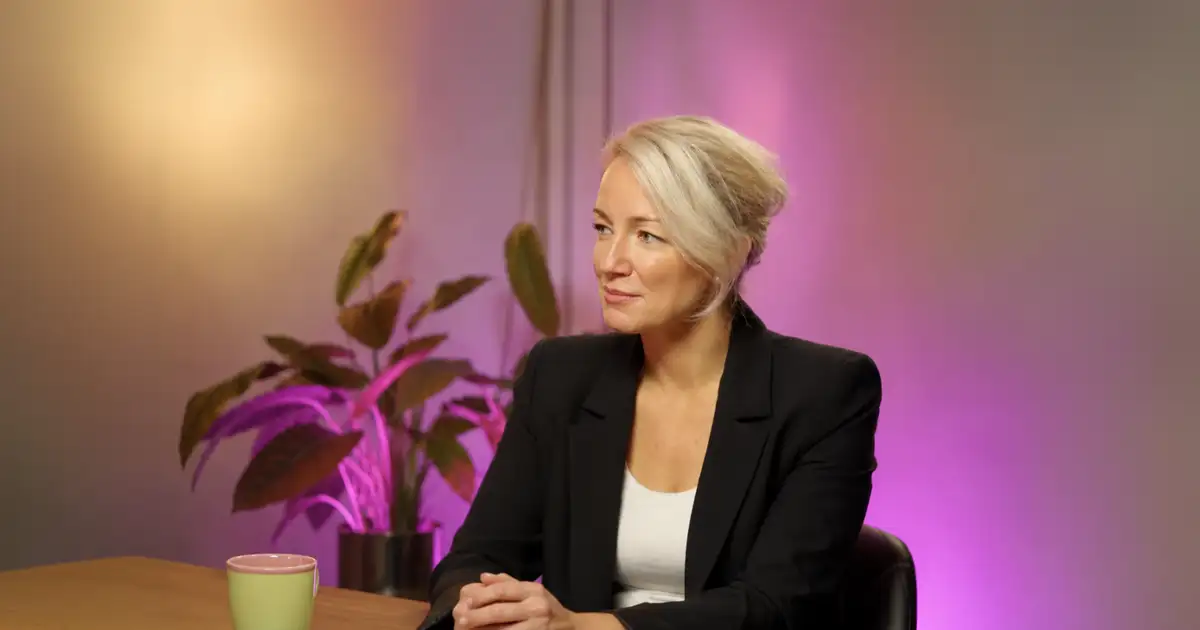
Safer gambling expert on the harsh reality within iGaming: “Empathy is still too often lacking”
 •
5 Jun 2026 •
Reading time: 5 minutes
•
5 Jun 2026 •
Reading time: 5 minutes
A player sends a message to customer support in the middle of the night. He says he has lost everything. Moments later, photos of pills, a rope, or a knife follow. On the other side of the screen sits a young employee, often without psychological training. Yet, that person is expected to try and save a human life. According to safer gambling expert Christina Theophilos, this happens more often than the outside world thinks.
Theophilos speaks candidly about the mental pressure within the iGaming industry. The former lecturer in crisis management and mental health worked for years on bullying, addiction, and psychological counseling before making the transition to online gambling. Today, she is trying to shake operators awake.
I saw how gambling harm completely changed people
Theophilos shared that her motivation is personal. During the interview, she explained that she spent years researching mental health, discrimination, and bullying behavior. She even wrote a book on bullying prevention for teachers. Yet, one theme kept returning: people who were slowly losing themselves.
According to her, she later saw the same pattern in the gambling world.
“I saw it happening to people around me,” she said in the podcast. “You see someone who was once full of energy slowly change. Everything you loved about that person disappears.”
That experience eventually brought her to Malta, the heart of the European iGaming sector. There, she immediately started working within responsible gaming teams. Not by coincidence, she emphasized herself.
“I wanted to understand how the sector worked from the inside,” she said during the conversation.
Some operators receive five suicide threats per day
The most striking part of the interview came when the conversation turned to suicide prevention. According to Theophilos, larger operators sometimes receive up to five suicide threats per day via chats or phone calls.
To many people outside the sector, that sounds extreme. Within responsible gambling teams, she says it is increasingly becoming a daily reality.
“Imagine what that does to your nervous system,” she said.
The expert described how support agents sometimes receive images of weapons, self-harm, or players saying they see no way out. Often, these agents are alone during night shifts. Some are barely nineteen years old.
According to Theophilos, operators heavily underestimate the psychological impact such conversations have on employees.
“You expect them to just keep working afterward as if nothing happened,” she said critically.
The sector still fails to train people sufficiently
One of Theophilos’s biggest frustrations is the lack of mandatory training on suicide prevention. During the interview, she stated that most regulated markets still do not require specific training for customer support, VIP teams, or responsible gambling staff.
Yet, these are precisely the people who have direct contact with players in crisis.
That is why, together with Casino Guru Academy, she developed a free course on suicide prevention within iGaming. This training deliberately targets employees without a clinical background.
According to Theophilos, someone does not need to be a psychologist to make an initial difference.
“With the right tools and repetition, people can learn how to respond,” she said.
No one should handle such a situation alone
During the interview, Theophilos also explained how she believes operators should handle crisis situations. In doing so, she particularly hammers on teamwork.
“One person keeps the player talking. Another calls the police.”
According to her, many companies still make the mistake of letting one employee do everything at once. That increases stress enormously and leads to mistakes more quickly.
In addition, she believes that operators must be much better prepared before a crisis breaks out. Helplines must be tested. International emergency numbers must work. Support links must be tailored to the player’s country.
Too often, she says, companies only discover that systems do not function during an emergency.
Shame and hopelessness are the biggest signals
A significant part of the podcast revolved around recognizing real risks. Theophilos emphasized that not every threat automatically means someone will actually commit suicide. Yet, she warned never to treat such reports lightly.
According to her, shame and hopelessness are the primary signals support teams should look out for.
“When someone sees no way out, you have to take that seriously,” she said during the conversation.
Culture also plays a role in this. Some players express emotions differently depending on their background or language. Therefore, Theophilos believes that operators should invest more in translation, local knowledge, and human follow-up.
Responsible gaming must be more than compliance
At the end of the interview, Theophilos spoke about her broader frustration with the sector. According to her, many operators still focus too heavily on regulation and too little on genuine assistance.
She therefore calls for three major changes within the industry: global risk detection, mandatory human intervention in severe cases of harm, and a 0.1% contribution of operator revenues toward research and treatment.
According to Theophilos, it ultimately comes down to empathy.
“These are our brothers and sisters in society,” she said. “We must take care of each other.”
At the end of the podcast, one message stuck out above all.
“When a life is on the line on the other side, we must take every threat seriously.”
About Christina Theophilos
Christina Theophilos is an international specialist in the field of responsible gaming, safer gambling policy, and consumer protection. With more than seven years of experience in various markets, she has developed and implemented RG frameworks, training programs, and protection policies for operators in Europe and North America.
In doing so, she has held positions including head of responsible gaming. She is the author of an industry-wide training program on suicide prevention for customer-facing staff and supports the sector in strengthening sustainable and safer gambling practices.
Her work is based on educational and counseling psychology, with a strong focus on prevention, early risk detection, and effective support regarding player vulnerability, mental health, and suicide risk. Christina works closely with operators, regulators, NGOs, treatment providers, and industry bodies to strengthen player protection initiatives globally.