



Sleepless nights, panic and anxiety: this is what happens when you stop gambling
 •
28 Jan 2026 •
Reading time: 4 minutes
•
28 Jan 2026 •
Reading time: 4 minutes
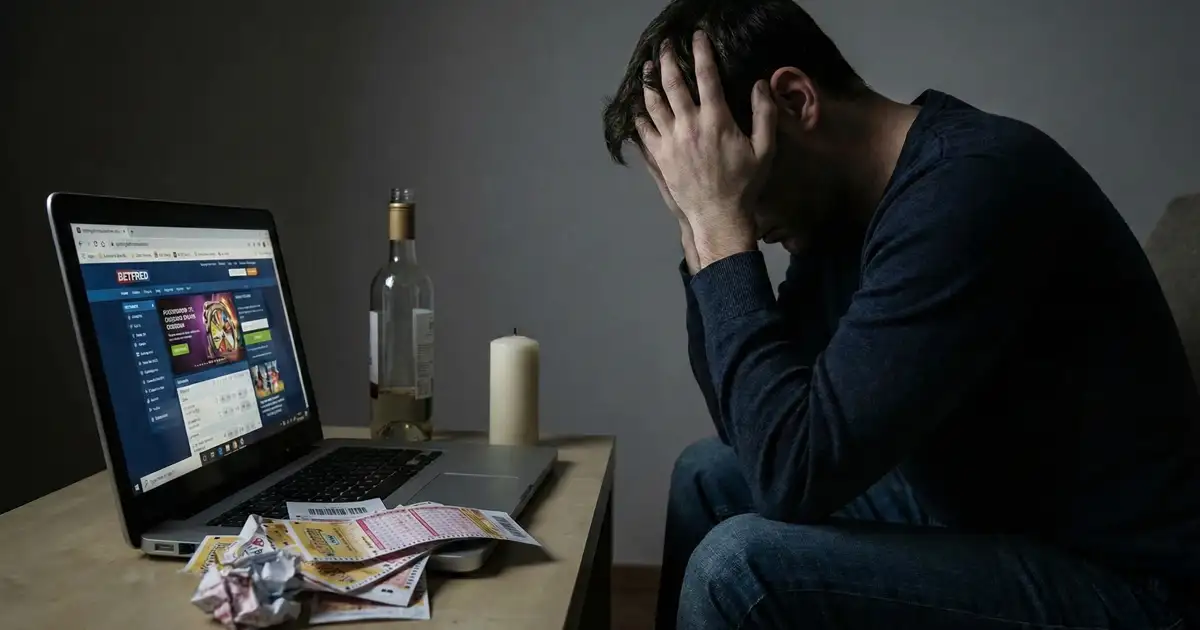
The urge is gone, but peace does not return. People who quit gambling often come up against a wall of emotions and physical symptoms. The withdrawal is real – even without drugs or alcohol.
Gambling addiction leaves traces you don’t see, but you feel.
The brain craves dopamine and becomes unbalanced
Gambling gives the brain a huge rush of dopamine. Anyone who suddenly stops takes away in one fell swoop the stimulus that kept the system going. The result: insomnia, restlessness, sweating, palpitations. The brain desperately searches for a replacement signal.
The symptoms sometimes resemble those of depression or anxiety disorders. And that makes it extra difficult. People struggling with gambling addiction often do not know that their panic, sadness or headaches are a direct result of quitting themselves.
Anxiety and gloom are not weakness, but signals of recovery
Anxiety is part of withdrawal. The body thinks something is wrong, now that the constant reward is missing. Everything in the body cries out for action: back to the casino, back to control. But that feeling is misleading. It is the system trying to recalibrate itself.
Depressive feelings often come on top of this. People who gambled for years lose not only money, but also confidence – in themselves, in others, in the future. And yet, that too is a sign of progress: it shows that someone is feeling again.
Therapists see this time and again. Those who are depressed after quitting are not lost. That one is processing.
The body also protests
It is not only the mind that sputters. The body also reports back. Abdominal pain, trembling, nausea, cramps – these are typical signs of a brain that needs to let go of its habit.
Unlike alcohol or drug withdrawal, the physical effect of gambling is usually less intense, but certainly no less real. The symptoms are sharp and persistent. And often misunderstood.
How long does the psychological withdrawal period last
The intensity of cravings varies from player to player, but the healing process generally follows a clear timeline. The first few days are often the most brutal. The brain, suddenly deprived of its massive daily dose of dopamine, goes into a state of shock. It is during this first week that insomnia and cold sweats reach their peak.
After about three to four weeks, the body slowly begins to adapt to this new chemical balance. The underlying anxiety gradually subsides. However, health professionals estimate that it can sometimes take several months for the brain’s reward system to fully recalibrate and for obsessive thoughts about the casino to disappear entirely.
Rehab only succeeds with support and structure
Stopping without help? It happens, but is rare. Most people need guidance. Therapy, a safe environment, blocking gambling sites: these are essential steps to avoid relapse.
This is where openness helps. Telling where it went wrong, why you want to go back, what you miss. Only then is there room to build something new. Without blame, but with awareness.
Four reflexes to overcome panic attacks and the urge to bet
When the compulsive need to gamble strikes and panic sets in, willpower alone is rarely enough. Physical and psychological barriers must be put in place to let the storm pass.
- Delegate financial management : Temporarily handing over bank cards and passwords to a trusted loved one blocks the ability to make an impulsive deposit during a late-night crisis.
- Find a healthy source of dopamine : Intense sports, running, or even video games without microtransactions help the brain release endorphins to compensate for the lack of casino stimulation.
- Identify triggers : Breaking isolation is crucial. It is important to spot vulnerable moments (Sunday afternoon boredom, post-work stress) and plan specific activities during these times.
- Block solicitations : Unsubscribe from all bookmaker newsletters and use ad blockers to remove temptations from social media feeds.
Free support and legal recourse available in Belgium
A player going through withdrawal should never face this ordeal alone. Belgium has a highly structured protection network to support those quitting gambling.
The essential first step is to register on the EPIS system via the Gaming Commission’s website. This voluntary self-exclusion immediately and legally blocks access to all online casinos, gaming halls, and bookmakers in the country. It is the most effective shield against relapses.
At the same time, free and anonymous psychological support is available. Helplines like SOS Jeux or De Druglijn allow individuals to speak with professionals at any time. Specialized facilities, such as the Gambling Clinic at CHU Brugmann in Brussels or local addiction centers, offer specific behavioral therapies to help the brain permanently break free from its addiction.